Sponsored by Hand Therapy New Zealand , the Australian Hand Therapy Association, and Tindeq
Search Results
Search this site
952 results found with an empty search
- Should we start using virtual reality for hand therapy?
Effectiveness of virtual reality in the treatment of hand function in children with cerebral palsy: A systematic review Rathinam, C., Mohan, V., Peirson, J., Skinner, J., Nethaji, K., & Kuhn, I. (2019) Level of Evidence : 2a Follow recommendation : 👍 👍 👍 Type of study : Therapeutic Topic : Hand rehabilitation in Cerebral Palsy (CP) - Effectiveness of non-immersive virtual reality (VR) in children with CP This systematic review compared the effectiveness of non-immersive VR (e.g. games and PC interface) vs traditional physiotherapy on hand function in children/teenagers with cerbral palsy (CP). A total of six studies were included in the review. Of these, three were randomised controlled trials, one was an abstract, and the remaining were non-experimental studies. The results were inconsistent across studies and only two studies reported added benefits of VR. Of these, one compared VR plus physiotherapy to physiotherapy only and showed greater functional improvements when VR was included. The other study showed greater effectiveness with VR treatment, however, the study had the lowest methodological quality. Disclaimer: This publication was reviewed and assessed by one reviewer only and it reflects their interpretation. Readers should come to their own conclusions by reading the original article. Clinical Take Home Message : Based on what we know today, we may not include VR in the rehabilitation of children/teenagers with CP. Considering the added cost of non-immersive VR, its use does not appear to be justified considering the lack of improvements in hand function. URL : https://www.jhandtherapy.org/article/S0894-1130(17)30107-2/abstract Available through The Journal of Hand Therapy for HTNZ members. Available through EBSCO Health Databases for PNZ members. Abstract Introduction: Children with cerebral palsy (CP) may have limited use of their hands for functional activities and for fine motor skills. Virtual reality (VR) is a relatively new and innovative approach to facilitate hand function in children with CP. Purpose of the study: The primary purpose of this study was to determine the effectiveness of VR as an intervention to improve hand function in children with CP compared to either conventional physiotherapy or other therapeutic interventions. The secondary purpose was to classify the outcomes evaluated according to the International Classification of Functioning, Disability and Health (ICF) dimensions. Methods: A International prospective register of systematic reviews (PROSPERO)-registered literature search was carried out in August 2015 in MEDLINE, CINAHL, ERIC, HealthSTAR, AMED, BNI, Embase, PsycINFO, PEDro, Cochrane Central Register, DARE, OTSeeker, REHABDATA, HaPI, CIRRIE, and Scopus. PRISMA guidelines were followed. Only randomized controlled trials (RCTs) were included, and their methodological qualities were examined using the Cochrane collaboration's risk of bias (RoB) tool. A narrative synthesis was performed. Results: The 6 RCTs published on this topic provide conflicting results. Four studies reported improved hand function (2 low RoB, 1 high RoB, and 1 unclear RoB), whereas 2 studies reported no improvement. All of the RCTs reported the activity element of ICF, but no study explicitly described the effect of VR intervention based on the ICF model. Conclusion: The role of VR to improve hand function in children with CP is unclear due to limited evidence; use as an adjunct has some support.
- Upper extremity malignant tumors, how can you identify them?
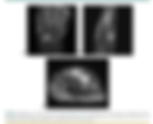
Diagnosis and management of primary malignant tumors in the upper extremity. MacKay, B. J., et al. (2020). Level of Evidence : 5 Follow recommendation : 👍 Type of study : Diagnostic/Therapeutic Incidence : Rare Topic : Malignant tumors - Diagnosis This is a narrative review on diagnosis and treatment of malignant tumors in the upper limb. The incidence of malignant tutor is rare although they are more likely in older people. X-ray and ultrasound imaging are reported as useful tools for diagnostic purposes. X-rays showing clearly demarcated lesions usually suggest a benign tumor while poorly defined lesions usually suggest a malignant tumor (can you find the osteosarcoma in the picture below? - look at previous synopsis for the full clinical case ). Treatment of malignant tumor involves resection of the lesion, which at times requires amputation. When possible, limb salvage procedures are performed. In this cases the likelihood of local recurrence is greater (15-20%), however, survival rate is not affected. Chemotherapy is often utilised to increase survival rate. Osteosarcomas are the most common bone malignancy, which is more frequent in younger clients (20 to 30 years old), although it can occur in older subjects . These type of lesions can often result into fractures due to weakening of the affected bone. Chemotherapy is often included in the treatment of these conditions. Disclaimer: This publication was reviewed and assessed by one reviewer only and it reflects their interpretation. Readers should come to their own conclusions by reading the original article. Clinical Take Home Message : Malignant tumors of the upper limb are rare conditions that we may encounter in practice. These pathologies may be incidentally identified when performing imaging for other hand conditions. It is however possible that they are directly responsible for the clinical presentation such as in fractures due to bone weakness caused by an osteosarcoma. In other cases, clients may present to the clinic complaining of a painful palpable mass like in the case of this trapezium osteosarcoma . Either way, they will require surgery to remove the lesion and they likely undergo chemiotherapy. If our clients develop chemiotherapy induced neuropathy, they may benefit from low to moderate aerobic exercise and/or medications (e.g. gabapentin) to reduce pain. Open Access URL : https://doi.org/10.4081/or.2020.8345 Abstract Bone and soft tissue sarcomas of the upper extremity are relatively uncommon. In many cases, they are discovered incidentally during evaluation of traumatic injuries or common ailments such as rotator cuff tendonitis or tennis elbow. Thus, it is important for all orthopedic surgeons to understand the differential diagnosis, workup, and treatment for upper extremity lesions. An appreciation of the clinical and radiographic features of primary malignant lesions aids in identifying patients that need referral to an orthopedic oncologist and a multidisciplinary team.
- Answer - What is the differential diagnosis for this condition? - Wrist ganglion
Synovial hemangioma of the wrist with cystic invasion of trapezoid and capitate bones Zhao, X., Qi, C., Chen, J., Li, H., Zhang, Y., & Yu, T. Level of Evidence : 5 Follow recommendation : 👍 Type of study : Diagnostic/Therapeutic Incidence : Rare Topic : Synovial Haemangioma - Diagnosis and treatment This is the answer for the case study from last week. The patient was an 18 year old male who had been experiencing pain and swelling in the back of the wrist in the last 2 years. Objectively, there was a 3x3 cm non-pulsatile mass in the back of the wrist. Extension range of movement had a deficit of 20 degrees. X-ray was impeccable, however, computer tomography and MRI scans revealed an ill-defined soft tissue mass between scaphoid, trapezoid, and capitate. Following surgery, it was possible to make a diagnosis of wrist synovial haemangioma. Synovial haemangiomas are rare benign tumours which usually affect children or young adults. Only 300 cases have been reported in the literature, most of which occurred in the knee. Symptoms vary and intermittent pain may be present or absent. Disclaimer: This publication was reviewed and assessed by one reviewer only and it reflects their interpretation. Readers should come to their own conclusions by reading the original article. Clinical Take Home Message : Hand therapists should refer young children or teenagers for x-rays and ultrasound when there is evidence of an irregularly shaped, soft mass which appears to or is reported to have grown over time. The likelihood of identifying a synovial haemangioma is extremely rare, however, this work up would help differentiating among different conditions including ganglion cyst, rheumatoid arthritis, haematomas associated with haemophilia, infections or other rare forms of cancer. URL : https://www.jhandsurg.org/article/S0363-5023(18)30316-2/fulltext Available through The Journal of Hand Surgery (American Volume) for HTNZ members. Available through EBSCO Health Databases for PNZ members. Abstract Synovial hemangiomas (SHs) are rare lesions of the joints or tendon sheaths that are difficult to diagnose. We present the case of an 18-year-old man with an SH in the wrist joint. Physical examination revealed a slightly tender, ill-defined, nonpulsatile soft mass, 3 cm × 3 cm in size on the dorsal aspect of the left wrist. Computed tomography showed an irregular, ill-defined, soft tissue mass in the expanded joint space, which was formed by the scaphoid, trapezoid, and capitate bones. Magnetic resonance imaging showed the typical features of SH and also revealed cavitary erosion of the scaphoid, trapezoid, and capitate bones. An open arthrotomy was performed via a dorsal approach, and the mass was excised. The histological examination findings were consistent with the diagnosis of SH.
- Identify your frail clients! You may be able to extend their health span!
Frailty and physical fitness in elderly people: A systematic review and meta-analysis. Navarrete-Villanueva, D., et al. (2021). Level of Evidence : 1a- Follow recommendation : 👍 👍 👍 👍 Type of study : Prognostic, Preventative, Therapeutic Topic : Frailty – How to identify it This is a systematic review of cross-sectional and randomised controlled studies assessing the relationship between physical fitness and frailty (function and biological aging). Twenty studies were included in the meta-analysis for a total of 13,527 participants (average age range: 71-83 years old). The overall quality of evidence was assessed through the COSMOS-E approach ("low", "moderate", "high"), which is a tool to assess risk of bias in observational studies. There was moderate to low quality evidence showing that walking speed (6 minutes walking test - 6MWT), lower limb strength, and grip strength were able to differentiate between frail and robust participants. All robust participants had more than 20kg of grip strength, while 60% of the frail participants had less than 20kg of grip strength. Clinical Take Home Message : Based on what we know today, several measures of physical fitness can discriminate between frail vs robust clients. The most useful measure appears to be walking speed that can be measured through the 6MWT (you can find the age and sex normative values in this paper - see picture below - this was my favourite paper when I was assessing clients through the 6MWT at the DHB). If you do not have the resources or you do not feel comfortable performing a 6MWT, hand grip strength is still a useful tool to screen your clients and we perform this test routinely. It appears that grip strength below 20kg may indicate that the client is fragile. The reason why I am interested in identifying fragile clients is that they are more likely to have an upper limb or lower limb fracture in the future . We may may be able to reduce the likelihood of these injuries by inviting them to take at least 8,000 steps/day. Thus, a greater number of daily steps has been shown to reduce mortality in previous studies. In addition, general resistance training may increase grip strength and overall strength, which is another predictor of mortality. URL : https://doi.org/10.1007/s40279-020-01361-1 Available through EBSCO Health Databases for PNZ members. Abstract Background: Frailty is an age-related condition that implies a vulnerability status affecting quality of life and independence of the elderly. Physical fitness is closely related to frailty, as some of its components are used for the detection of this condition. Objectives: This systematic review and meta-analysis was conducted to investigate the magnitude of the associations between frailty and different physical fitness components and to analyse if several health-related factors can act as mediators in the relationship between physical fitness and frailty. Methods: A systematic search was conducted of PubMed, SPORTDiscus, and Web of Science, covering the period from the respective start date of each database to March 2020, published in English, Spanish or Portuguese. Two investigators evaluated 1649 studies against the inclusion criteria (cohort and cross-sectional studies in humans aged ≥ 60 years that measured physical fitness with validated tests and frailty according to the Fried Frailty Phenotype or the Rockwood Frailty Index). The quality assessment tool for observational cross-sectional studies was used to assess the quality of the studies. Results: Twenty studies including 13,527 participants met the inclusion criteria. A significant relationship was found between frailty and each physical fitness component. Usual walking speed was the physical fitness variable most strongly associated with frailty status, followed by aerobic capacity, maximum walking speed, lower body strength and grip strength. Potential mediators such as age, sex, body mass index or institutionalization status did not account for the heterogeneity between studies following a meta-regression. Conclusions: Taken together, these findings suggest a clear association between physical fitness components and frailty syndrome in elderly people, with usual walking speed being the most strongly associated fitness test. These results may help to design useful strategies, to attenuate or prevent frailty in elders.
- Neuropathic pain post hand burns, who is going to develop it?
Chronic neuropathic pain following hand burns: Etiology, treatment, and long-term outcomes. Klifto, K. M., P. S. Yesantharao, A. L. Dellon, C. S. Hultman and S. D. Lifchez (2021). Level of Evidence : 4 Follow recommendation : 👍 👍 Type of study : Prognostic Topic : Neuropathic pain in burns - Variables influencing its development This is a retrospective study assessing risk factors for the development of neuropathic pain and lack of response to pharmacological treatment following hand and upper limb burns. A total of 914 participants were included in the study. A series of risk factors including demographic characteristics and burn type were included in the statistical analysis. Burning pain was defined as long lasting pain for at least six months following the injury (no standardised tool such as the "Douleur Neuropathique en 4 Questions" - DN4 was utilised to make the diagnosis of neuropathic pain). Lack of response to medical treatment was defined as no change in pain after 3 consecutive months of pharmacological treatment (e.g. gabapentin/pregabalin/opioids). The results showed that 6% of the sample developed neuropathic pain by six months. In addition, 50% of this group of people with neuropathic pain did not respond to pharmaclogical treatment. The burn's severity appeared to be a risk factor for both the development of neuropathic pain and lack of response to medications, with greater areas of total body surface burns being associated with worse outcomes. In addition, a history of substance/alcohol abuse or smoking, increased the odds of developing neuropathic pain. Burning pain was also found to be a pain descriptor that reduced the likelihood of pharmacological response at the six months point. It is important to remember that this was a retrospective study with a small proportion of patients presenting with neuropathic pain (n = 55). It is therefore possible that other variables, not accounted for in the analysis are responsible for the findings reported. Disclaimer: This publication was reviewed and assessed by one reviewer only and it reflects their interpretation. Readers should come to their own conclusions by reading the original article. Clinical Take Home Message : Based on what we know today, the development of persistent "neuropathic" pain following burns injuries may be related to their severity. In addition, a history of smoking and substance abuse, appear to increase the likelihood of its development (for advice on how to help your clients quit smoking, see this synopsis ). Clients with post burn neuropathic pain may benefit from gabapentin treatment (see this synopsis on gabapentin effectiveness ), however, if they describe burning pain, their likelihood of benefiting from pharmacological treatment may be reduced. URL: https://www.jhandsurg.org/article/S0363-5023(20)30396-8/fulltext Available through the Journal of Hand Surgery (American volume) for HTNZ members. Available through EBSCO Health Databases for PNZ members. Abstract PURPOSE: Chronic neuropathic pain (CNP) after burn injury to the hand/upper extremity is relatively common, but not well described in the literature. This study characterizes patients with CNP after hand/upper extremity burns to help guide risk stratification and treatment strategies. We hypothesize that multiple risk factors contribute to the development of CNP and refractory responses to treatment. METHODS: Patients older than 15 years admitted to the burn center after hand/upper extremity burns, from January 1, 2014, through January 1, 2019, were included. Chronic neuropathic pain was defined as self-described pain for longer than 6 months after burn injury, not including pain due to preexisting illness/medications. Two analyses were undertaken: (1) determining risk factors for developing CNP among patients with hand/upper extremity burns, and (2) determining risk factors for developing refractory pain (ie, nonresponsive to treatment) among hand/upper extremity burn patients with CNP. RESULTS: Of the 914 patients who met the inclusion criteria, 55 (6%) developed CNP after hand/upper extremity burns. Twenty-nine of these patients (53%) had refractory CNP. Significant risk factors for developing CNP after hand/upper extremity burns included history of substance abuse and tobacco use. Among CNP patients, significant risk factors for developing refractory pain included symptoms of burning sensations. In all CNP patients, gabapentin and ascorbic acid were associated with significant decreases in pain scores on follow-up. CONCLUSIONS: Substance abuse and tobacco use may contribute to the development of CNP after hand/upper extremity burns. Those who developed refractory CNP were more likely to use the pain descriptor, burning sensations. Pharmacological pain management with gabapentin or pregabalin and ascorbic acid may provide the most relief of CNP symptoms.
- Are neurodynamic exercises effective for clients with hand osteoarthritis?
Effects of neurodynamic mobilizations on pain hypersensitivity in patients with hand osteoarthritis compared to robotic assisted mobilization: A randomized controlled trial. Pedersini, P., et al. (2021). Level of Evidence : 1b Follow recommendation : 👍 👍 👍 👍 Type of study : Therapeutic Topic : Hand OA - neurodynamic Vs passive movement treatments This is a randomised placebo controlled trial assessing the effectiveness of neurodynamic treatment vs passive mobilisation on pain in people with hand osteoarthritis (OA). A total of 72 participants were included in the study. To be included, participants had to present with symptoms of hand OA in the dominant hand and a kellgren-lawrence score of 3-4 on x-ray of the dominant hand (no other specific criteria were utilised for the diagnosis). Participants were excluded if they presented with depression or anxiety, other hand conditions of the hand (e.g. carpal tunnel syndrome), if they presented with neurological symptom or conditions. Participant were randomised to neurodynamic treatment (n = 36) or robotic fingers mobilisation (placebo) (n = 36). Neurodynamic treatment included gliders of the median, radial, and ulnar nerves for three sets of 3 minutes each with one minute rest in between each set. The robotic group underwent passive fingers flexion/extension through a robotic device. Both groups received 12 sessions of thirty minutes (3 per week) over the course of 4 weeks. Both groups were given hand exercises. Efficacy of intervention was assessed through pain intensity (VAS) at one baseline, at the end of treatment (4 weeks), and at three months. The results showed that both groups improved on average by 1 point out of 10 in each group. Some of the pain measurements (e.g. pain in the last 24 hrs) we're statistically significant different between groups (favoring neurodynamic treatment), however, the difference was not clinically relevant (less than 1 point out of 10). As for all experimental studies, it is possible that improvements in pain were simply due to participants being aware of being part of an intervention study rather than treatment itself (Hawthorne effect). It is also possible that the limited effectiveness of this intervention is due the low levels of pain the participants to reported, causing a floor effect. Disclaimer: This publication was reviewed and assessed by one reviewer only and it reflects their interpretation. Readers should come to their own conclusions by reading the original article. Clinical Take Home Message : Based on what we know today, neurodynamic interventions are no more effective than passive finger mobilisation in reducing pain in people with symptomatic hand OA. We may therefore encourage joint motion for lotion , promote joint movement for amusement , and suggest meditation for elation . If this is not enough and clients want something passive (no exercises) that has been shown to have some effect (compared to placebo), although small, look at supplements for osteoarthritis . In addition, preliminary evidence also showed that clients with hand OA present with sensorimotor changes and illusory resizing of the hand may help reducing symptoms . Clients with hand OA are also at greater risk of cardiovascular disease . They would therefore benefit from advice on aerobic and strength training exercise. Also remember: keep smiling , your clients' pain will decrease! If you are interested in knowing what does not appear to be more effective than placebo in clients with hand OA, here is the list: acupuncture , cortisone injections for thumb OA , joint protection programs , resistance training interventions , and splinting for thumb OA . URL : https://onlinelibrary.wiley.com/doi/10.1002/acr.24103 Available through EBSCO Health Databases for PNZ members. Abstract OBJECTIVE: To evaluate the effectiveness of the neurodynamic mobilization techniques compared with passive robotic physiologic movement in patients with hand osteoarthritis (OA). METHODS: We conducted a randomized controlled trial. A total of 72 patients (mean ± SD age 71 ± 11 years) with dominant symptomatic hand OA were randomized in 2 groups, and both received 12 treatment sessions over 4 weeks. The experimental group received neurodynamic mobilization of the median, radial, and ulnar nerves, and the control group received robotic-assisted passive movement treatment. Both groups also participated in a program of hand stability exercises. Outcome measures included pain intensity, pressure pain thresholds (PPTs), and strength measurements. Group-by-time effects were compared using mixed-model analyses of variance. RESULTS: After the intervention, the experimental group had statistically significant, higher PPTs than the control group at the thumb carpometacarpal joint by 0.7 kg/cm(2) (95% confidence interval [95% CI] 0.6, 0.8), the median nerve by 0.7 kg/cm(2) (95% CI 0.6, 0.7), and the radial nerve by 0.5 kg/cm(2) (95% CI 0.3, 0.6); however, the difference was not statistically significant at 3 months postintervention. Although mean values in the experimental group were higher than in the control group at all PPT sites at both assessments, these differences were not statistically significant. The experimental group experienced a statistically significant reduction in pain immediately postintervention, but this was not present at the 3-month follow-up. There were no statistically significant differences in pinch or grip strength between groups. CONCLUSION: We found that neurodynamic mobilizations decreased hypersensitivity in patients with hand OA immediately after the intervention; however, differences were no longer present at 3 months. The results suggest that these techniques may have some limited value in the short term but do not have lasting effects.
- What is the differential diagnosis for this condition? - Wrist ganglion
Level of Evidence : 5 Follow recommendation : 👍 Type of study : Diagnostic/Therapeutic Incidence : Rare Have a think about this case study. Leave a diagnostic comment if you like. I will publish the diagnosis and treatment reported by the paper next week. The patient was an 18 years old male who had been experiencing pain and swelling in the back of the wrist in the last 2 years. Objectively, there was a 3x3 cm non-pulsatile mass in the back of the wrist. Extension range of movement had a deficit of 20 degrees. X-ray was impeccable, however, computer tomography and MRI scans revealed an ill-defined soft tissue mass between scaphoid, trapezoid, and capitate (see picture below). What is it?
- Shall we upgrade our sensory testing for carpal tunnel syndrome?
Concurrent validity of a low-cost and time-efficient clinical sensory test battery to evaluate somatosensory dysfunction. Zhu, G. C., Böttger, K., Slater, H., Cook, C., Farrell, S. F., Hailey, L., . . . Schmid, A. B. (2019) Level of Evidence : 1b Follow recommendation : 👍 👍 👍 Type of study : Diagnostic Topic : Sensory testing - Bed side tests This is a validation study of bedside tests for clients presenting with musculoskeletal conditions including carpal tunnel syndrome (CTS). The results of a series of bedside tests, which included temperature detection (heat, cold), mechanical detection (e.g. monofilament testing), pressure pain thresholds, and others were compared to quantitative sensory testing, which is the current gold standard to assess the function of the sensory system. The most valid tests for loss of sensation were the warm/cold detection and the cotton wool touch detection. The most valid tests for sensory gain (hyperalgesia) were pressure pain thresholds on the thenar eminence with a pencil eraser or the clinicians' thumb. All the tests were compared to the contralateral limb or a non affected are of the hand to determine whether there was a loss of sensation or hyperalgesia. Clinical Take Home Message : Based on what we know today, a few bedside tests can be implemented in addition to our monofilament and manual muscle tests for carpal tunnel syndrome. These tests include cold/warm sensation assessment, which can be done through cold/warm coins, and pain pressure threshold based on compression of the thenar eminence through a clinician's thumb. These tests need to be compared to the healthy contralateral limb (if asymptomatic) to identify whether we have a loss or gain in sensation. In addition, we can perform pinprick testing, which is on indicator of small nerve fibre integrity . By monitoring our patients through these tests, we may be able to identify improvements following our intervention , which may go unnoticed if assessed through monofilament or manual muscle testing only. Open Access URL : https://onlinelibrary.wiley.com/doi/full/10.1002/ejp.1456 Abstract Background This study describes a low‐cost and time‐efficient clinical sensory test (CST) battery and evaluates its concurrent validity as a screening tool to detect somatosensory dysfunction as determined using quantitative sensory testing (QST). Method Three patient cohorts with carpal tunnel syndrome (CTS, n = 76), non‐specific neck and arm pain (NSNAP, n = 40) and lumbar radicular pain/radiculopathy (LR, n = 26) were included. The CST consisted of 13 tests, each corresponding to a QST parameter and evaluating a broad spectrum of sensory functions using thermal (coins, ice cube, hot test tube) and mechanical (cotton wool, von Frey hairs, tuning fork, toothpicks, thumb and eraser pressure) detection and pain thresholds testing both loss and gain of function. Agreement rate, statistical significance and strength of correlation (phi coefficient) between CST and QST parameters were calculated. Results Several CST parameters (cold, warm and mechanical detection thresholds as well as cold and pressure pain thresholds) were significantly correlated with QST, with a majority demonstrating >60% agreement rates and moderate to relatively strong correlations. However, agreement varied among cohorts. Gain of function parameters showed stronger agreement in the CTS and LR cohorts, whereas loss of function parameters had better agreement in the NSNAP cohort. Other CST parameters (16 mN von Frey tests, vibration detection, heat and mechanical pain thresholds, wind‐up ratio) did not significantly correlate with QST. Conclusion Some of the tests in the CST could help detect somatosensory dysfunction as determined with QST. Parts of the CST could therefore be used as a low‐cost screening tool in a clinical setting. Significance Quantitative sensory testing, albeit considered the gold standard to evaluate somatosensory dysfunction, requires expensive equipment, specialized examiner training and substantial time commitment which challenges its use in a clinical setting. Our study describes a CST as a low‐cost and time‐efficient alternative. Some of the CST tools (cold, warm, mechanical detection thresholds; pressure pain thresholds) significantly correlated with the respective QST parameters, suggesting that they may be useful in a clinical setting to detect sensory dysfunction.
- Are forearm/wrist orthoses useful for lateral epicondylalgia?
Evaluating the immediate effect of forearm and wrist orthoses on pain and function in individuals with lateral elbow tendinopathy: A systematic review Heales, L., McClintock, S., Maynard, S., Lems, C., Rose, J., Hill, C., Kean, C., & Obst, S. (2020) Level of Evidence : 1a- Follow recommendation : 👍 👍 👍 👍 Type of study : Therapeutic Topic : Lateral epicondylalgia - Forearm and wrist orthoses This is a systematic review and meta-analysis assessing the short term effectiveness of wrist and forearm orthoses vs a control group on pain-free grip strength in people with lateral epicondylalgia. Seven studies were included for a total of 267 participants. Forearm orthoses included straps placed 2-5cm distally to the lateral epicondyle, or elbow sleves. Wrist orthoses were rigid splints supporting the wrist in extension. The control group wore either no orthoses, or a placebo orthoses. Pain-free grip strength was defined as the greates grip strength that participants could develop without pain. The assessment was completed immediately before and after the application of the orthoses. The results showed pain-free grip strength improved to a statistically significant level in participants wearing a forearm orthoses (mean difference: 2.5 kg; 95%CI: 0.5 to 4.5). No improvements in pain-free grip strength were noticed with wrist orthoses. These results suggest that the forearm orthosis improved pain-free grip, although the results may not be clinically meaningful. The quality of evidence supporting these results was low (GRADE) suggesting that the true effect may be substantially different from what has been presented. Clinical Take Home Message : Hand therapists may expect an immediate improvement in pain-free grip strength (between 0.5 and 4.5 kg) following the application of a forearm orthosis in patients with lateral epicondylalgia. This orthosis may be utilised as an adjunct to education and progressive upper limb strengthening in lateral epicondylalgia. URL : https://www.sciencedirect.com/science/article/abs/pii/S2468781219301419
- An old goodie: Experimental effect of forearm strap for LE - no placebo involved
Strain reduction of the extensor carpi radialis brevis tendon proximal origin following the application of a forearm support band. Takasaki, H., Aoki, M., Oshiro, S., Izumi, T., Hidaka, E., Fujii, M., & Tatsumi, H. (2008) Level of Evidence : 1b Follow recommendation : 👍 👍 👍 Type of study : Therapeutic Topic : Lateral epicondylalgia - Forearm based orthosis This is an experimental study assessing extensor carpi radialis brevis (ECRB) tendon strain with or without a forearm based orthosis (strap) in cadavers. Eight cadavers' arms were prepared for this study. A strain gauge was positioned at the ECRB origin at the lateral epicondyle to measure tendon strain. The ECRB strain was measured under three different conditions, which included the sole application of a forearm based orthosis (∼ 5cm distal to lateral epicondyle) with a tension of 2 kg, a tensional load of 2.2 kg applied to the distal ECRB tendon, or with the combination of 2.2 kg tendon load and the forearm based orthosis. The study needs to be considered in the context of a few limitations. The experiment was performed in cadavers and in vivo studies may show different results. The load applied to ECRB (2.2 kg) equates to 10% of the maximum ECRB load. The results showed that the sole application of the forearm based orthosis did not cause any strain on the ECRB tendon. When ECRB was loaded with 2.2 kg, the tendon strain was 2.4%, indicating that the tendon was elongated 2.4% of its original lenght. When ECRB was loaded with 2.2 kg while the forearm based orthosis was applied, the tendon strain was 0.85%, indicating that the tendon was elonagated 0.85% of its original lenght (stretched on tendon was reduced by more than 50%). Clinical Take Home Message : Hand therapists may consider utilising a forearm based orthosis for patients with lateral epicondylalgia. This intervention appears to reduce the strain on ECRB proximal tendon through a mechanical effect. The effectiveness of this forearm based strap in reducing strain may be limited to light activities and not heavier manual tasks. URL : https://www.jospt.org/doi/abs/10.2519/jospt.2008.2672
- What is the evidence for hand fractures treatment?
Current methods, outcomes and challenges for the treatment of hand fractures. Boeckstyns, M. E. H. (2020) Level of Evidence : 5 Follow recommendation : 👍 Type of study : Therapeutic Topic : Hand fractures - Surgical vs conservative treatment This is a narrative review on treatment of metacarpal, carpometacarpal, and phalangeal fractures. Most metcarpal fractures can be treated conservatively with good outcomes. Surgey is required if dorsal angulation is greater than 20-40° is present or if there is an open or unstable fracture. Carpometacarpal fractures can be managed conservatively when no dislocation is present. Phalangeal shaft fractures can be treated conservatively with splinting if there is no rotational deformity (scissoring). If rotation deformity is identified, this requires surgical correction. Phalangeal base fractures can be managed conservatively with close monitoring of rotational malunion (scissoring). Salter-Harris type 2, commonly seen in kids, can be managed conservatively. Intrarticular pipj fractures are the most challenging fractures to treat and there is an ongoing debate on what is the most appropriate line of treatment. Intrarticular pipj fractures often involve either the volar or dorsal aspect of the distal phalanx. For volar fractures, surgical treatment is required if a "V" sign is identified on the dorsal apsect of the pipj on a lateral view. Dorsal fractures usually requires surgical intervention. Bony Mallet is often treated conservatively and a recent study has suggested that even with bony fragments greater than 1/3 of the articular surface, conservative treatment is feasible. During conservative treatment, it is advisable to perform radiographic controls the to assess the development of distal phalanx subluxation. Thumb bony avulsion of ucl of mcpj associated with Stener lesion (interposition of adductor pollicis) usually requires surgical intervention. This condition can be identified on x-ray if a bony fragment is present. Bennett's fracture is a fracture of the proximal metacarpal of the thumb, which extends into the cmcj of the thumb. No research has shown better outcomes with either conservative or surgical management in Bennett's fracture. Clinical Take Home Message : Hand therapists should be able to treat most hand fractures conservatively. A few exceptions include open and/or unstable fractures, metacarpal fractures with severe angulation, metacarpal or phalangeal fractures associated with scissoring of fingers, pipj intrarticular fractures, bony mallet with subluxation, and Stener's lesions of the thumb. When in doubt a second opinion from a hand surgeon is always indicated. URL : https://journals.sagepub.com/doi/abs/10.1177/1753193420928820
- What is best treatment for bony mallet greater than 1/3 of joint surface? Splinting or pinning?
Splinting versus extension-block pinning of bony mallet finger: A randomized clinical trial. Thillemann, J. K., Thillemann, T. M., Kristensen, P. K., Foldager-Jensen, A. D., & Munk, B. (2020) Level of Evidence : 2b Follow recommendation : 👍 👍 👍 Type of study : Therapeutic Topic : Bony mallet - Conservative vs surgical treatment This is a randomised single-blind controlled trial assessing the effectiveness of surgery vs splinting in participants bony mallet greater than 1/3 of the articular surface. Participants (N=28) were diagnosed with bony mallet through lateral radiographs. Participants were excluded if the bony mallet fragment was less than 1/3 of the dipj articular surface or if the dipj presented with volar subluxation. Participants with bony mallet of the thumb were excluded. Effectiveness of treatment was assessed by extension lag of the dipj and subluxation of the distal phalanx. Extension lag was assessed at baseline and at 6 months. Subluxation of the distal phalanx was assessed before treatment, immediately after surgery or immobilisation, at 6 weeks, and 6 months. After inclusion in the study, participants were randomised to surgical treatment through extension block pinning (n=14) or splinting (n=14). The extension block pinning group was treated with two k-wire to avoid extensor tendon traction on the bony fragment and distal phalanx subluxation. K-wire were removed after 6 weeks. The splinting group was immobilised in dipj extension with an aluminium splint fixed in place with tape. This had to be worn 24/7 for 6 weeks with regular changes of padding and tape. Care was taken to avoid loss of dipj extension during tape changes, although the process was not supervised. In both groups, the pipj of the affected finger was free to move. Correct position of the distal phalanx was assessed for both groups after immobilisation with a lateral x-ray and revealed good alignment in all participants. Rehabilitation was initiated for both groups after 6 weeks and it included active dipj extension/flexion and a static night splint. This was progressed to loaded dipj extension/flexion and night splint at 8 weeks. At 12 weeks, patients resumed their normal activities without limitations. The results showed that there was no difference in dipj lag at 6 months between the two groups (splint: 12 ° , range: 8-16; surgery: 10, range: 4-16). Three participants in the splinting group vs no participants in the surgical group presented with distal phalanx subluxation at six months. This difference was not statistically signifcant (I performed a Fisher t-test), although it is possible that the study was underpowered to detect differences. Clinical Take Home Message : Hand therapists may expect similar treatment outcomes when bony mallet greater than 1/3 of the articular surface (without subluxation) are treated conservatively or surgically. However, follow up x-rays during conservative treatment may be required to exclude distal phalanx subluxation. URL : https://journals.sagepub.com/doi/abs/10.1177/1753193420917567